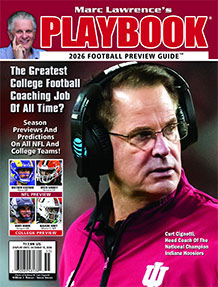
JUST WALK AWAY RENÉE
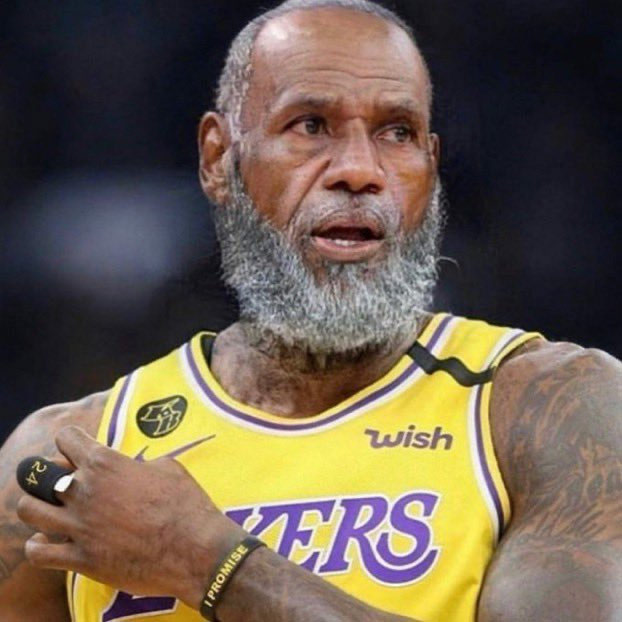
Rumors suggest the Golden State Warriors are pursuing a bold plan to reunite LeBron James and Anthony Davis — a move that would raise fresh questions for the Los Angeles Lakers.
Yet the bigger uncertainty may lie with Golden State itself.
James has played an all-time NBA high 73,476 minutes in his 23-year career, averaging 38.19 minutes per game. No player in history is even close to those numbers.
He’s also played in an NBA record 302 playoff games – starting all 302 contests – 43 more than runner-up Derek Fisher.
How often have we watched a legendary athlete, deep into the twilight of his career, chase one last ride with a new team — only to find that while the tires still have some tread, the engine is leaking oil and running on fumes
Eventually, they’re put out to pasture, often in eerily familiar fashion.
Skeptics need only look at Brett Favre and Michael Jordan.
In both cases, Father Time came calling yet their superstar egos would have none of it because Father Time does not negotiate.
It goes to prove that the greatest victory is knowing when to walk away.

On Today's Card - Rounding Into Form
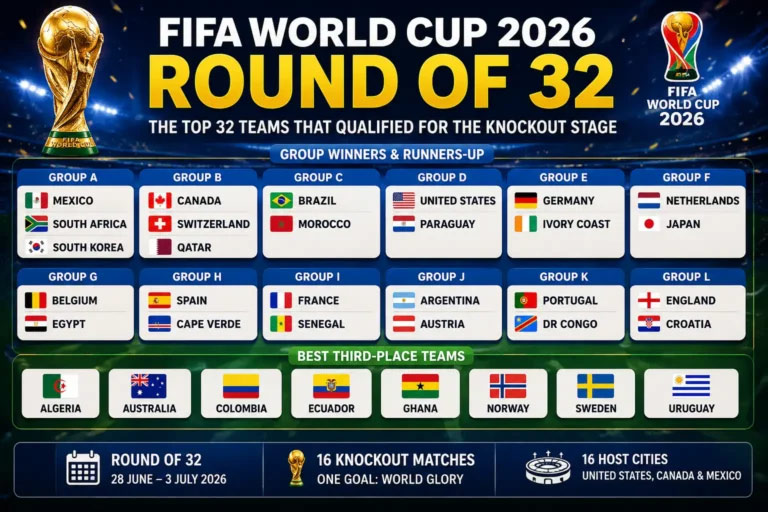
World Cup Knockouts Explode: Brazil Survives, Paraguay Stuns Germany in Epic Penalty Drama!
The 2026 World Cup has officially gone nuclear. After 17 days of group-stage chaos, it’s now pure knockout fire — Round of 32, win or go home.
In the biggest shocker of the day, Morocco knocked off Netherlands in an extra time shootout in a matchup of David versus Goliath.
Japan nearly pulled off the upset of the tournament. Kaishu Sano gave the Samurai Blue a dream lead in the 29th minute, but Brazil hit back right before halftime through Casemiro. Then, in stoppage time, Gabriel Martinelli delivered the killer blow to send Brazil through.
But the real madness came in Paraguay vs Germany.
Paraguay stunned the football world by taking an early lead and then defended like absolute warriors. They held the four-time champions at 1-1 through extra time and into a heart-stopping penalty shootout. Germany threw everything at them — 16 corners, wave after wave of attacks — but ran into a brick wall named Orlando Gill.
The Paraguayan goalkeeper was superhuman: six saves, two penalties stopped, pure heroics. Germany finally leveled in the 54th minute with a thundering header from Kai Havertz.
In the 102nd minute of extra time, Jonathan Tah powered home what looked like the winner… until VAR stepped in and said, “Hold your horses.” Foul on the keeper. Goal disallowed.
Moments later, the shootout delivered the final dagger. Germany blinked. José Canale stayed ice cold for Paraguay.
Paraguay advances. Germany is OUT.
The underdogs just wrote one of the greatest World Cup shocks in history.
BETCHA DIDN’T KNOW - Ram Tough
I’ll bet you didn’t know that NFL teams with the defending league MVP from the previous season have gone 140-75 SU (10.77-5.77 win-loss ave) with the same QBs on the roster the following regular season, and 157–84 SU (12.50-6.46 win-loss ave) overall with playoffs.
The average overall win-loss record is shown in parenthesis.
Trending Today -
What the Hell is Going on Here?
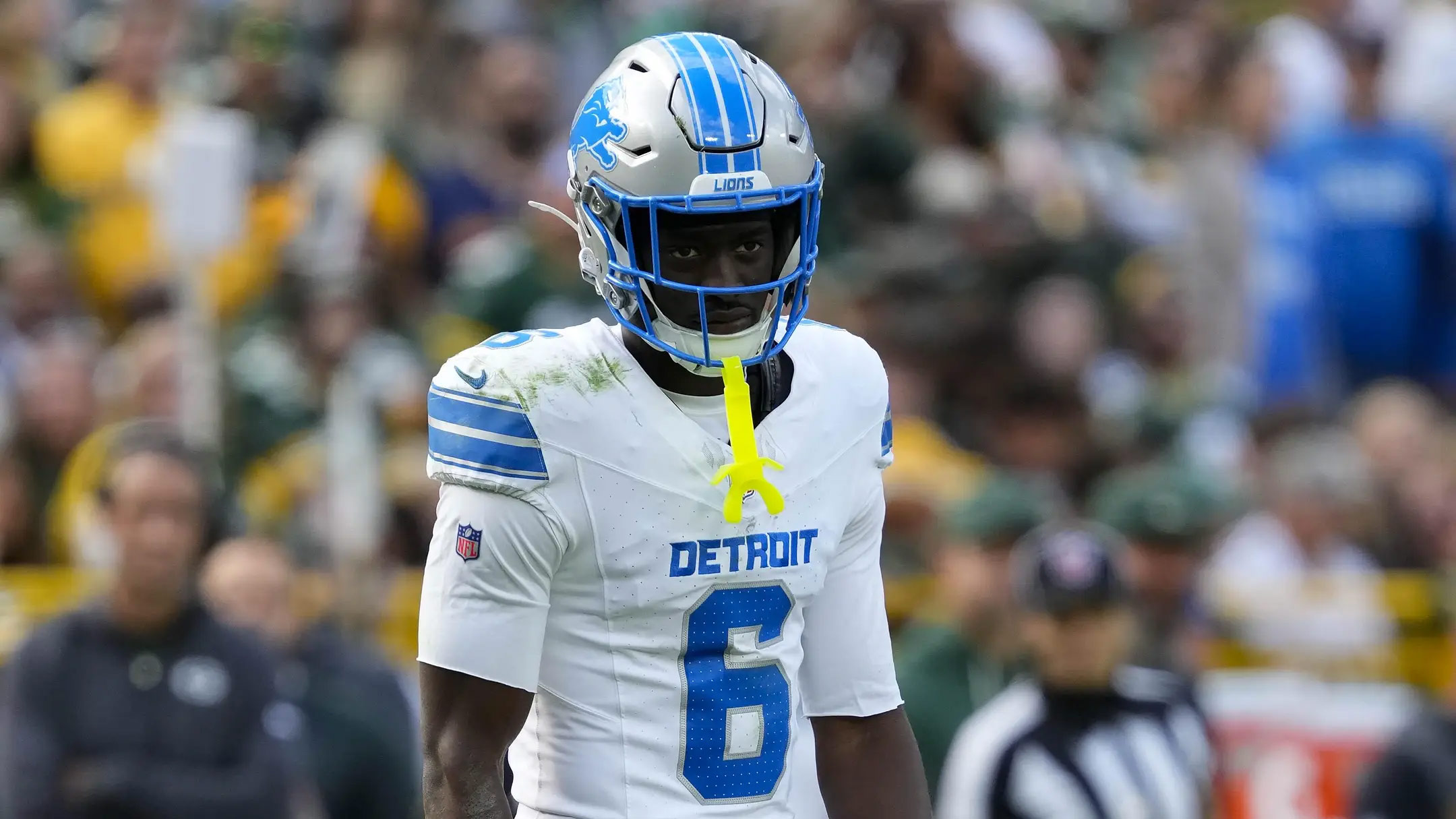
Detroit Lions cornerback Terrion Arnold was arrested in Tampa on Wednesday night on eight felony charges stemming from an armed robbery and kidnapping earlier this year. He is being held on $1 Million bail.
According to police, the 23-year-old Arnold was the “primary conspirator” in a Feb. 4 incident in which three men were pistol-whipped, held at gunpoint, and robbed. Six other individuals had already been arrested in connection with the robbery.
Investigators allege Arnold coordinated and directed the group to lure the victims to an apartment after personal property belonging to him and others was stolen three days earlier. Arnold reportedly suspected two of the victims were responsible, but police say they were not involved.
Arnold turned himself in and was booked into Hillsborough County’s Orient Road Jail. He has denied any involvement.
“Terrion Arnold categorically denies any involvement in the matters underlying the allegations made against him and maintains his innocence,” said Denise White, CEO of EAG Sports Management, in a statement. “There is no credible evidence linking Mr. Arnold to these allegations. Instead, the government appears to be relying on testimony from multiple convicted felons who have admitted their own involvement and may have substantial incentives to shift blame in an effort to lessen their sentences. Mr. Arnold looks forward to his day in court and is confident that the judicial process will lead to his ultimate vindication.”
Arnold was selected by the Lions in the first round (No. 24 overall) of the 2024 NFL Draft. He played two seasons at Alabama, earning freshman All-American and freshman All-SEC honors in 2022, followed by first-team All-American recognition in 2023.
Arnold did not have a prior criminal record or arrests before these charges.
Grinding Out the Profits
Read ‘Em and Weep
From the 2026 PLAYBOOK Football Preview Guide Magazine
The 2026 Big Ten Conference team season wins totals
for the 2026 Football season are listed below
From the 2026 PLAYBOOK Football
Preview Guide Magazine
BIG TEN
Illinois (Over 7.5 +135 / Under 7.5 -160)
Indiana (Over 10.5 +105 / Under 10.5 -125)
Iowa (Over 7.5 -115 / Under 7.5 -105)
Maryland (Over 5.5 +105 / Under 5.5 -125)
Michigan (Over 8.5 +140 / Under 8.5 -180)
Michigan St (Over 4.5 +130 / Under 4.5 -155)
Minnesota (Over 5.5 -150 / Under 5.5 +125)
Nebraska (Over 6.5 +115 / Under 6.5 -135)
Northwestern (Over 5.5 +110 / Under 5.5 -130)
Ohio St (Over 9.5 -165 / Under 9.5 +140)
Oregon (Over 10.5 +110 / Under 10.5 -130)
Penn St (Over 8.5 -165 / Under 8.5 +130)
Purdue (Over 3.5 +100 / Under 3.5 -120)
Rutgers (Over 5.5 -150 / Under 5.5 +125)
UCLA (Over 6.5 +110 / Under 6.5 -130)
USC (Over 8.5 +115 / Under 8.5 -135)
Washington (Over 7.5 -170 / Under 7.5 +140)
Wisconsin (Over 6.5 -105 / Under 6.5 -115)
Stat of the Day
0-16
Former Browns 1st round pick Johnny Manziel on rooting against
Cleveland every season,
hoping they go 0-16 this year.
Quote of the Day
"Very little is needed to make a happy life;
it is all within yourself,
in your way of thinking."
— Marcus Aurelius
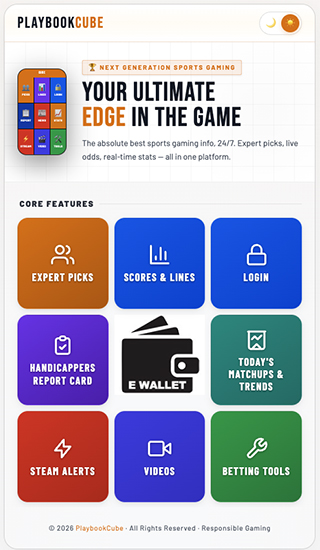
To Start Using Your App Today
Call the Playbook Office for
More Details - It's Super Easy!
800.752.9266

Privacy Policy: PlaybookSports.com will never share or sell your information for any reason.
No spam. No hassle.
Unsubscribe anytime.
Playbook® and Marc Lawrence's Preferred Picks® are registered trademarks of Preferred Picks Publications Inc.
Copyright © 2026 Playbook Enterprises Inc. · Support:
1-954-377-8000
All information contained herein is for amusement purposes only. Any use contrary to this purpose is specifically prohibited.